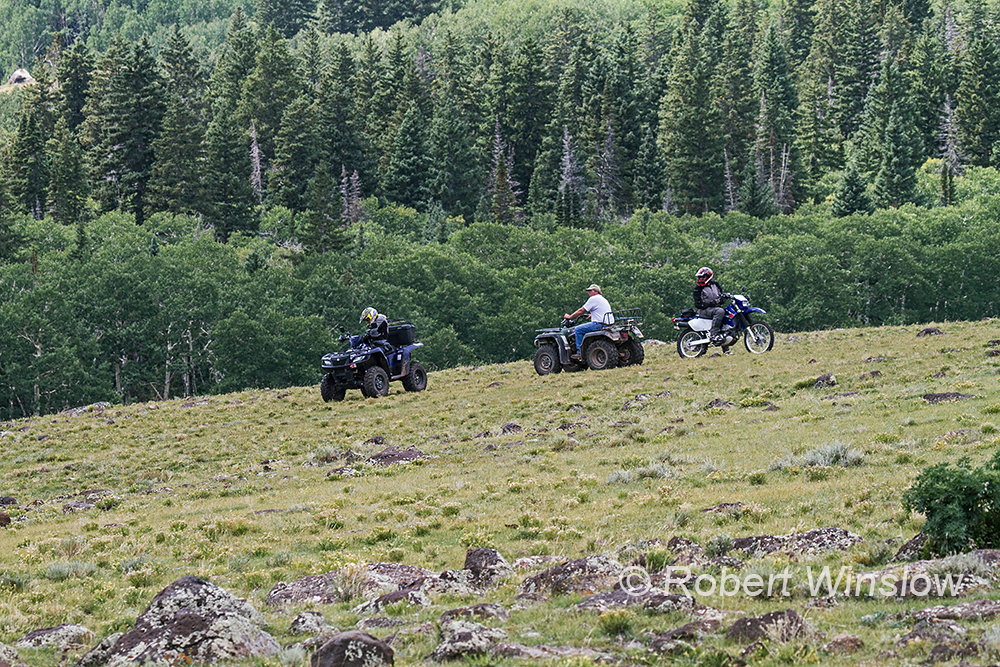
Quads and a dirt bike
riding on fragile meadow
Be good land stewards
Adventures, Animals and Images
A Nature Photographer's Random Ramblings

Quads and a dirt bike
riding on fragile meadow
Be good land stewards

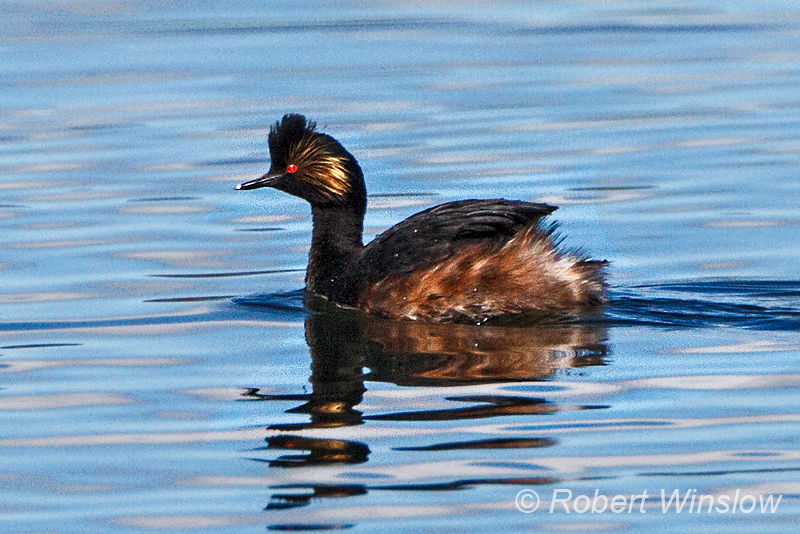
Beautiful bird swims
Red eye searches for a mate
Yearns to courtship dance

Today is Easter
Am I supposed to hide eggs?
I think I’ll eat grass
or
Today is Easter
Jesus, what’s going on here?
Kids think I hide eggs


Needing a long rest
Hiding of eggs is hard work
Peace. Love. Eggs not bombs


Plants take care of us
bestowing food, oxygen
and so much beauty.
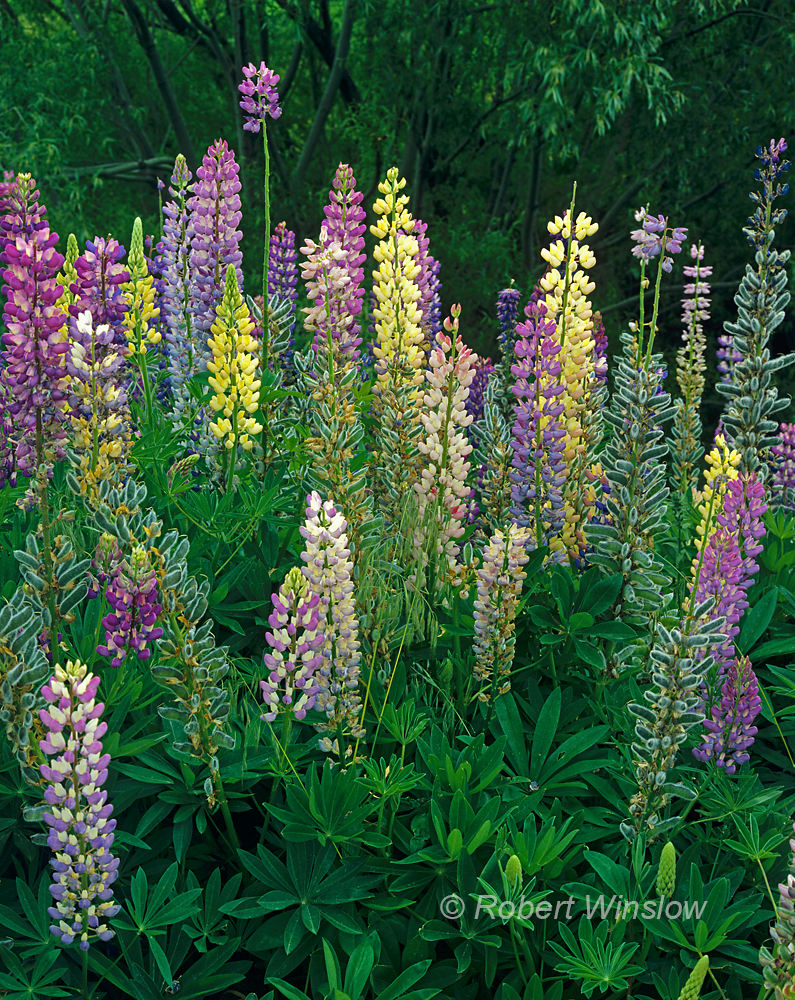
“In some Native languages, the term for plants translates to ‘those who take care of us’.” – Robin Wall Kimmerer, Braiding Sweetgrass

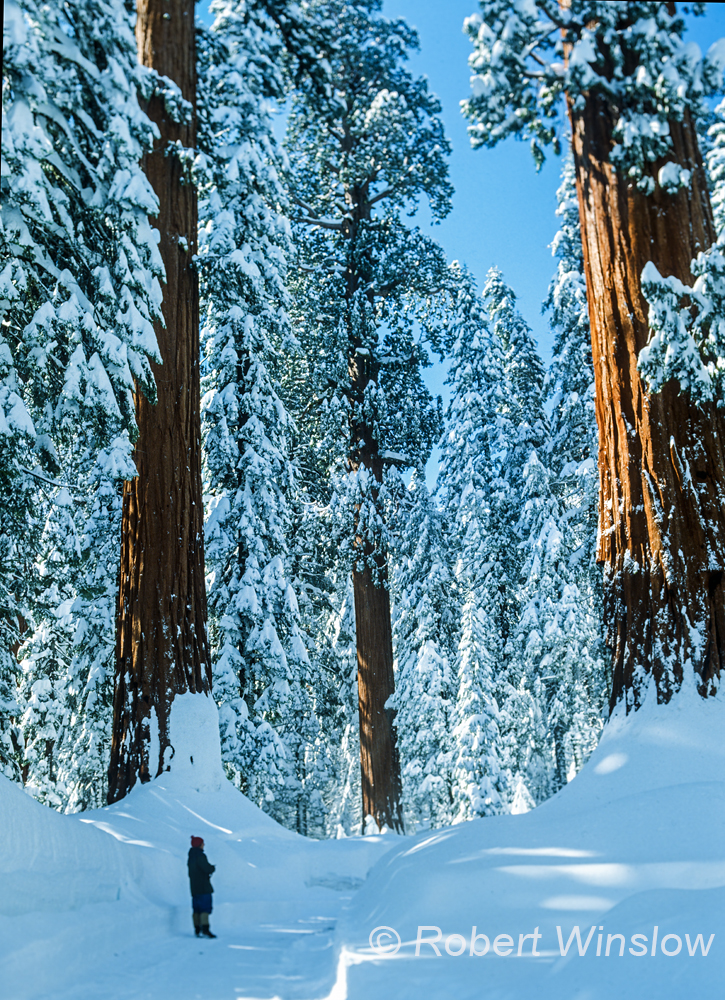
General Sherman
The largest tree by volume
In winter beauty
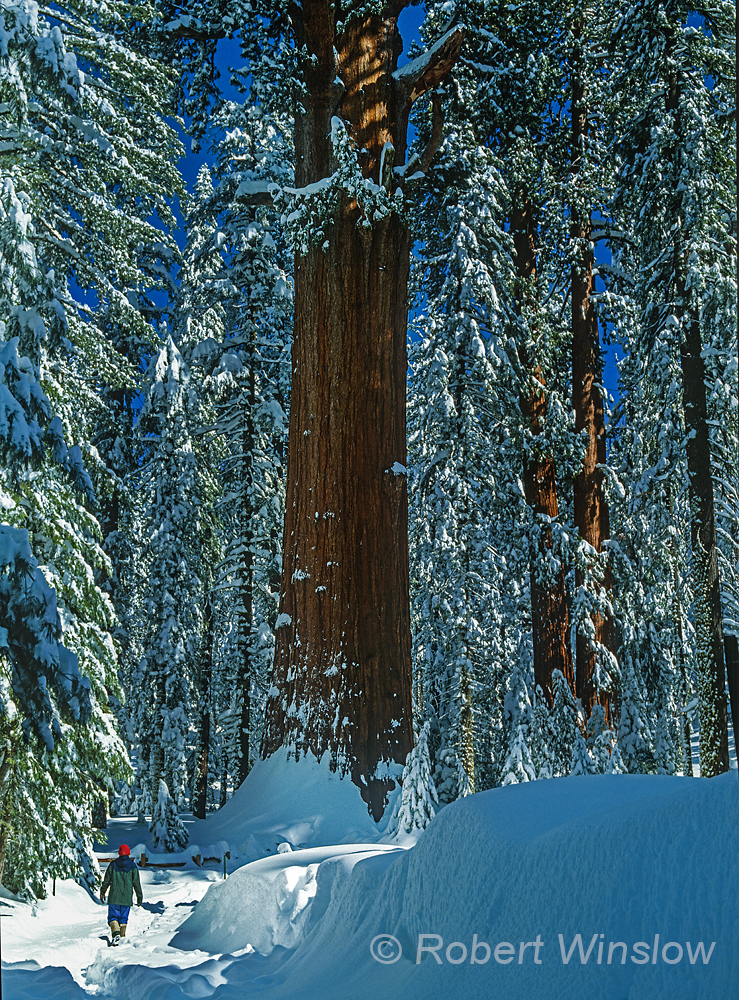
This is the General Sherman giant sequoia tree located in the Giant Forest of Sequoia National Park. By volume, it is the largest known living single-stem tree on Earth. It is estimated to be around 2,200 to 2,700 years old…….One of the most amazing things to me is that up there….. in the tips of those massive branches and at the very top of the tree….way up high….. are some really really badass apical meristem cells. They have kept on undergoing cell division (mitosis) day after day for 2,200 to 2,700 years!!! That is truly mind-blowing, when you think of it.

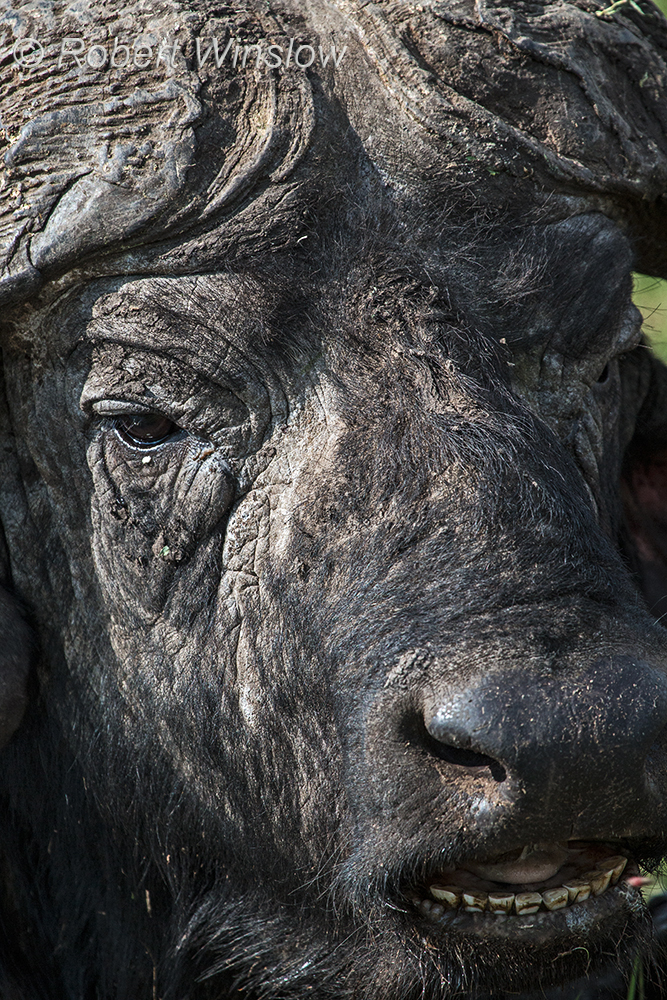
Weathered old bull’s face
Resembles a Minotaur
Not Greek. African

Rooted and steadfast
Holders of sacred secrets
Ancient ancestors

Wilson’s Phalarope
Females are more colorful
Males raise the young

These birds are really interesting. You ladies might like this:
Unlike most birds where the female has the predominant role in caring for young, female phalaropes desert their mates once they’ve laid eggs. While the male raises the young by himself, the female looks for other males to mate with. This unusual mating system is called polyandry, and it’s reflected in the way the two sexes look, with the females more brightly colored than the males.
Wilson’s Phalaropes are one of only two species of shorebirds that molt at resting sites on the migration pathway, rather than on the breeding grounds before leaving or on the wintering grounds.
When feeding they spin round and round in the nutrient-rich waters, creating whirlpools that stir up invertebrates that will fuel their migration to South America. Females are rich peachy and gray, and are more colorful than the males. Females court and defend male mates—several per season—
Long-distance migrant. Females depart breeding areas first, followed by males and finally juveniles. All birds stop for several weeks during migration at saline lakes to take advantage of abundant invertebrate food. By mid-September, they are in South America—in high-elevation lakes in the Andes, as well as in the Patagonian lowlands and Tierra del Fuego.

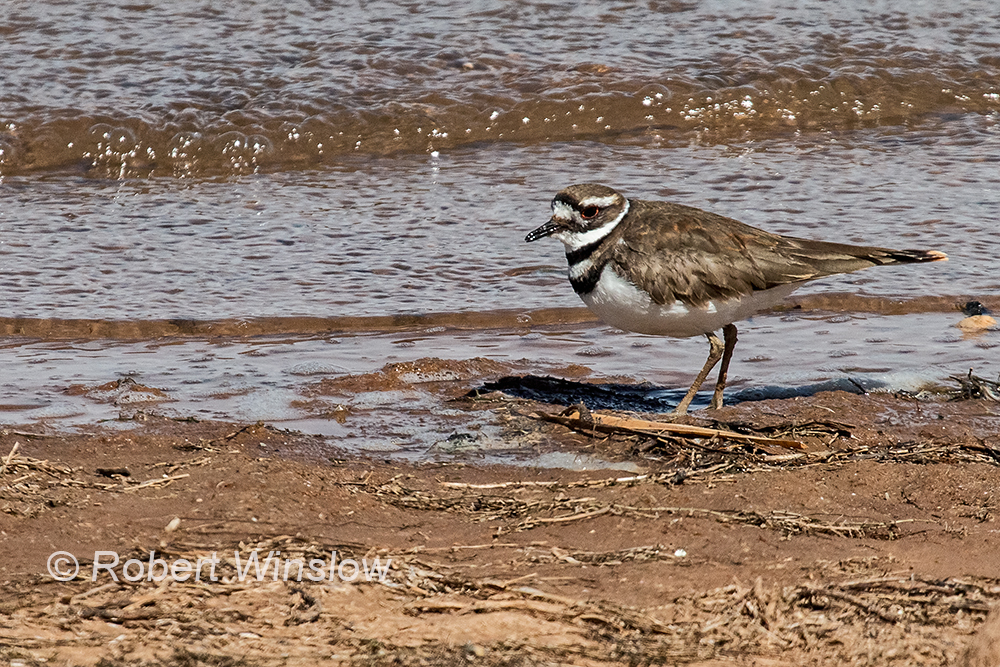
My morning bird walk
A Killdeer works the shoreline
Quietly I kneel
 Adventures, Animals and Images